“If you protect the path , the path will protect you ,
If you protect the earth,
The earth will protect you
If you heal the planet , the planet will heal you…”
Virtuous Poetic Composition of Concise Advice on the Interdependence between Environment and Beings
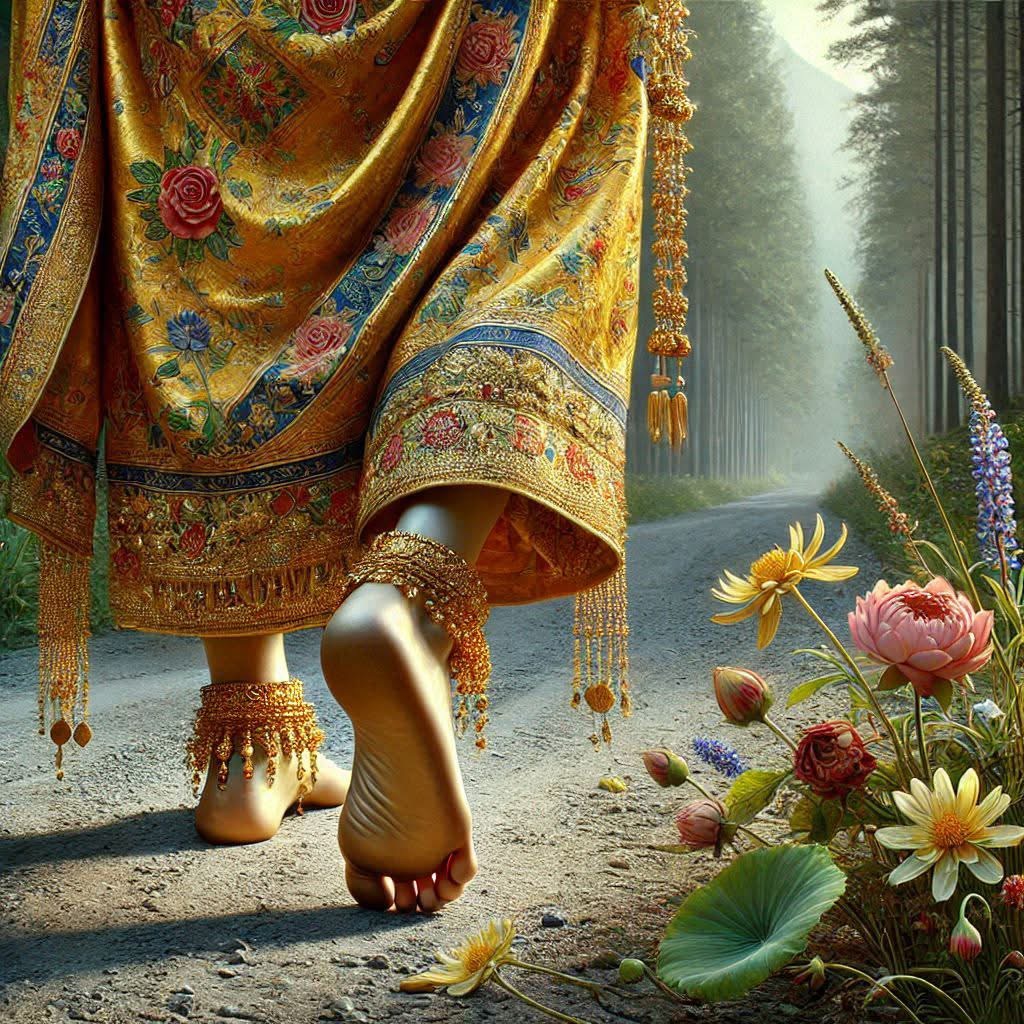
All beings of wisdom — regardless of whether they follow a religious, philosophical, or scientific path — share a holistic approach to life. Beyond their beliefs or personal experiences, such individuals naturally embody a sense of morality, respect for all living beings, and deep care for the environment. These qualities make them true guides for our world. Behind the view, the culture, the believe and the different experience may have, it is like the wise are like many arms with many eyes toward the world but united in a single heart.
Among these great beings, His Holiness the Dalai Lama stands as a radiant example. As a Buddhist nun and one of his devoted followers, I hold his teachings and his compassion for the Earth close to my heart. It is with this deep admiration that I share one of his precious compositions on the protection of our environment.
Many of us are aware of the climate crisis and global warming, yet too few are willing to face the seriousness of the situation and take committed action. I believe this moment calls for collective responsibility. We must ask ourselves how we are treating this planet — not as separate individuals, but as a single, interdependent human family.
There has never been a truly awakened being who was not deeply connected to the Earth — to trees, to mountains, to rivers. To care for our environment is to engage in an act of non-violence and a profound commitment to universal peace. It is a path toward unity that transcends political and ideological divisions.
So in general I think there are important points we can understand by ourselves with a sense of awareness and responsibility, but since sometimes our habits on negligence are too strong, the speech of high intelligence level beings can help us to take action, so I will share one of his praises in exhorting to take care of our planet:
The Sheltering Tree of Interdependence: Buddhist Monk’s Reflections on Ecological Responsibility
His Holiness the 14th Dalai Lama

1. You, who clearly see the all-pervasive nature of interdependence
between the environment and the beings of both samsara and nirvana,
of stable and changing phenomena,
Teacher of migrating beings through great love and compassion,
grant us virtue and excellence.

	2.	To the embodiment of the great love of all Conquerors,
the deity known as Avalokiteshvara,
may you mature the mental continuum of myself and all migrating beings,
and grant your blessings so that we may perceive pure reality.

	3.	Due to endless habitual tendencies from beginningless time,
strengthened by the power of our self-cherishing minds,
shared karma has created our surrounding environment,
which arises contaminated by filth and pollution.


	4.	The clarity and freshness of lakes and ponds deteriorate;
the sky once filled with clean air is now permeated by many substances;
the naturally arisen celestial canopy is pierced,
and beings suffer from diseases never before known.

	5.	Majestic snow-capped mountains, long established,
lose their glory and gradually melt into water,
and even the great oceans exceed their natural balance,
causing small islands to gradually submerge.

	6.	The dangers of fire, water, and wind are limitless;
suffocating heat dries our forests.
The salt content of the great oceans deteriorates,
and unprecedented storms arise due to deforestation.

	7.	Though we lack no wealth,
we are deprived of the simple fortune of breathing clean air.
Even the cleansing power of rain and rivers degrades
as their watery essence dries up.

	8.	Humans and all beings who live in water and on land
are afflicted physically by myriad malevolent diseases;
and their minds are overwhelmed by inertia, darkness, and ignorance.
Opportunities to experience physical and mental happiness are rare.


	9.	Moreover, by using artificial chemical compounds,
driven by greed for immediate profit,
we destroy forests and trees,
thus squandering the nourishment of the elements.

	10.	In the treatises of Secret Mantra, Medicine, and Astrology,
it is clearly taught that the outer environment and the beings within it
are interdependent, cooperating for mutual benefit—
a truth confirmed by today’s experience.

	11.	This Earth is the home of all migrating beings;
she is impartial and fair to both animate and inanimate things.
With this and other truthful melodies, this great Earth
was the witness of the Teacher’s great offering.

	12.	Just as a noble being repays the kindness of sentient mothers,
let us strive to repay such kindness as noble ones do.
As the mother is impartial and equal to all,
so too is this Earth a base to be cherished and protected.

	13.	The four elements of pure, crystalline nature
are wasted, polluted, and contaminated without cause.
Abandoning actions that destroy the foundation of beings’ well-being,
let us engage in activities that bring benefit to all.

	14.	The Supreme Buddha was born under a tree;
under a tree, he defeated Mara and attained enlightenment;
under two trees, he passed into Nirvana.
Because of this, the Buddha held trees in great esteem.


	15.	Where the protector Manjushri, Lama Tsongkhapa,
caused the auspicious signs to flourish,
where a hundred thousand forms of the Conqueror’s body appeared,
it is known that the signs arose from a sandalwood tree.

	16.	Transcendent wisdom deities,
and powerful protective deities of places and Nagas—
though many—
is it not well known that they dwell in the trunks of trees?

	17.	Noble trees purify the element of wind;
trees help us exchange oxygen;
trees please the eyes and the mind,
and their cool shade is a resting place for all.

	18.	The Supreme Incomparable Teacher, in the Vinaya,
taught monks how to care for young trees.
In this way,
he demonstrated the supreme value of cultivating and nurturing trees.

	19.	The Teacher prohibited monks
from cutting or encouraging the cutting of living things,
destroying seeds, or contaminating fresh green grass.
It is fitting to understand these teachings of love and environmental care.

	20.	By the blessings of the Victorious Ones in heavenly realms,
it is taught that the condensed meaning of impermanent composites,
as well as the deep melody of the teachings of the four seals,
arise through the condition of trees.

	21.	Furthermore, it is the tree that brings rain;
it is the tree that holds the nourishment of the soil.
The wish-fulfilling tree is said to grant all desires
and to fulfill every aspiration.

	22.	In times past, our ancestors
ate the fruits of trees, wore their leaves,
and, rubbing wooden sticks, discovered the knowledge of fire.
When needing protection from danger, they took refuge in trees.

	23.	Even in this age of technological advancement,
it is thanks to trees that we have most homes and tools.
When our hearts burn with the fire of anger and conflict,
trees immediately offer a sense of peace.

	24.	In short, for all migrating beings, human and non-human,
if trees—the basis of survival—go extinct,
this continent, named after the sound of the Jambu tree,
will become a terrifying wasteland.

	25.	Among cherished things, life
is the most precious for embodied beings.
The Bhagavan forbade, in the Vinaya,
the use of water that contains living beings.

	26.	In the Tibetan land of snow, holder of the Dharma,
there are sanctuaries on mountains and in rivers, and bans on hunting.
For helpless animals, without refuge and weak,
arose a noble tradition of protecting and cherishing precious lives.

	27.	Hunting wild animals, catching fish and more,
for mere entertainment, in disregard of others’ lives—
to carelessly engage in harmful actions
is to deprive living beings of their rights.

	28.	Thus, always bear in mind how beings and the environment are interdependent.
With a virtuous mind intent on the benefit of all,
those places of origin endowed with elemental power
must be diligently protected and preserved without pause.

	29.	In particular, by determining specific times and seasons,
if one follows rituals for planting and caring for trees—
in service of migrating beings, for the benefit of self and others—
then meaningful fruits and actions will be shared.

	30.	Therefore, regarding what should be adopted and what abandoned,
through the power of properly engaging in what should be done and avoided,
may both beings and the environment flourish without decline and grow strong.
May the grove of happiness and virtue ever expand in all directions.
“Recently, as I have traveled to many regions across the East and West of the world, I have witnessed numerous manifestations of the happiness and suffering of living beings. Particularly, due to the flourishing of the technological era, there has been increasing development of architectural structures that rival the cities of the gods and other forms of progress. However, in reality, this has caused severe damage to the environmental balance that serves as the foundation for all living beings’ existence.
His Holiness the 14th Dalai Lama
On one hand, I recall how in the past, in the snowy land of Tibet, the natural elements remained pristine, allowing all beings to live in good health. Yet nowadays, throughout the world including Tibet, the condition of the environment is deteriorating at an alarming rate. I have developed a profound sense that unless everyone, both collectively and individually, takes responsibility by carefully considering both immediate and long-term consequences, irreversible damage to both the environment and its inhabitants will inevitably occur.
With this deep awareness, I urge each person to consistently engage in practices that restore what has been damaged and enhance what remains intact in both the environment and its inhabitants. On the occasion of a conference on environmental interdependence, coinciding with the installation of a copper and gold statue of Lord Buddha presented as a gift to the Indian government and people in commemoration of Buddha at Delhi, I, the Fourteenth Dalai Lama, the Buddhist monk Tenzin Gyatso, wrote this on the 2nd day of the 10th month of 2537 after the Buddha’s passing into nirvana (October 2, 1993).”
The Original text in Tibetan script
སྣོད་བཅུད་རྟེན་འབྱུང་དང་འབྲེལ་བའི་གདམས་ངག་ཉུང་ངུའི་ཚིགས་བཅད་དུ་བསྡེབས་པ་དགེ།
༄༅། །ཇི་སྙེད་སྣོད་བཅུད་འཁོར་འདས་བརྟན་གཡོའི་ཆོས། །
ཀུན་ཁྱབ་རྟེན་འབྱུང་གནས་ལུགས་ལེགས་གཟིགས་ནས། །
བརྩེ་ཆེན་ཐུགས་རྗེས་འགྲོ་ལ་འདོམས་མཁས་པ། །
མཉམ་མེད་བུ་རམ་ཤིང་པས་དགེ་ལེགས་སྩོལ། །
རྒྱལ་ཀུན་བརྩེ་ཆེན་ཕུང་པོའི་རང་གཟུགས་ལ། །
སྤྱན་རས་གཟིགས་ཞེས་མཚན་དུ་གསོལ་བའི་ལྷས། །
བདག་སོགས་འགྲོ་བའི་ཤེས་རྒྱུད་སྨིན་པ་དང༌། །
ཡང་དག་གནས་ཚུལ་མཐོང་བར་བྱིན་གྱིས་རློབས། །
ཐོག་མ་མེད་ནས་རྟག་ཏུ་གོམས་པ་ཡི། །
རང་ཉིད་གཅེས་འཛིན་བློ་ཡི་མཐུ་བརྟས་པས། །
སྤྱི་མཐུན་ལས་ཀྱིས་བསྐྱེད་པའི་ཁོར་ཡུག་ཁྱོན། །
འབྱུང་བ་སྦགས་བཙོག་མནོལ་བས་བསླད་པར་གྱུར། །
མཚོ་དང་མཚེའུ་དྭངས་བསིལ་ཡོན་ཏན་ཉམས། །
མཁའ་རླུང་དུག་ཅན་རྫས་རིགས་དུ་མས་ཁྱབ། །
མཁའ་དབྱིངས་རང་གྲུབ་བླ་བྲེར་བུ་ག་རྡོལ། །
སྔོན་མེད་ནད་རིགས་དུ་མས་འགྲོ་མང་མནར། །
སྲིད་པར་ཆགས་པའི་གངས་རི་མཐོ་བརྗིད་རྣམས། །
དབུ་འཕང་སྨད་ཅིང་རིམ་གྱིས་ཆུ་རུ་བཞུར། །
འཕེལ་འགྲིབ་བྲལ་བར་གྲགས་པའི་རྒྱ་མཚོ་ཡང༌། །
རང་བཞིན་ལས་འདས་གླིང་ཕྲན་དལ་གྱིས་བྱིངས། །
མེ་ཆུ་རླུང་གི་འཇིགས་པ་མཐའ་ཡས་ཏེ། །
ཚ་དྲོད་འབར་བས་རྩྭི་ཤིང་ནགས་ཚལ་སྐམ། །
རྒྱ་མཚོ་ཆེན་པོ་བ་ཚྭའི་ནུས་པ་ཉམས། །
ནགས་ཚལ་སྟོངས་པས་སྔོན་མེད་རླུང་འཚུབ་ལྡང༌། །
གང་དག་ནོར་གྱི་འབྱོར་པས་མ་ཕོངས་ཀྱང༌། །
གཙང་མའི་རླུང་ཙམ་བརྔུབ་པའི་སྐལ་བས་དབེན། །
ཆར་དང་ཆུ་རྒྱུན་རྣམས་ཀྱང་དག་བྱེད་ཀྱི། །
ནུས་པ་ཉམས་ཏེ་བརླན་གཤེར་རྫས་སུ་ཟད། །
མི་ཕྱུགས་སྐམ་གཤེར་གནས་པའི་སྲོག་ཆགས་ཀུན། །
ལུས་ལ་གདུག་ཅན་ནད་རིགས་དུ་མས་གཟིར། །
སེམས་ལ་བྱིངས་འཐིབ་རྨོངས་པས་རབ་ནོན་ཏེ། །
ལུས་སེམས་བདེ་ལ་སྤྱོད་པའི་གོ་སྐབས་ཕྲ། །
གཞན་ཡང་བཅོས་མའི་རྫས་སྦྱོར་ཆེས་སྤྱོད་ཅིང༌། །
འདོད་རྔམས་དབང་གིས་འཕྲལ་གྱི་ཁེ་ཕན་སླད། །
རྩྭི་ཤིང་ནགས་ཚལ་གཅོད་བྲེགས་ལ་སོགས་པས། །
འབྱུང་བ་ས་ཡི་ཟུངས་བཅུད་བརླག་པར་བྱས། །
གསང་སྔགས་རྒྱུད་དང་སྨན་རྩིས་གཞུང་སོགས་ལས། །
ཕྱི་ཡི་སྣོད་དང་སྐྱེ་བོའི་ནང་གི་ཁམས། །
ཕན་ཚུན་ཟུང་དུ་འབྲེལ་བའི་རྟེན་འབྲེལ་གཤིས། །
གསུངས་པའི་བདེན་དོན་དེང་སྐབས་མྱོང་བས་གྲུབ། །
ས་འདི་འགྲོ་བ་ཀུན་གྱི་གནས་ཡིན་ཏེ། །
རྒྱུ་དང་མི་རྒྱུ་སྙོམས་ཤིང་ཉེ་འཁོན་མེད། །
ཅེས་སོགས་བདེན་པའི་དབྱངས་ཀྱིས་ས་ཆེན་འདི། །
སྟོན་པས་རང་གི་མཆོད་སྦྱིན་དཔང་དུ་མཛད། །
སེམས་ལྡན་ཚེ་འདིའི་སྐྱེས་མ་དྲིན་དྲན་ནས། །
དྲིན་གཟོར་བརྩོན་པ་ཡ་རབས་ངང་ཚུལ་བཞིན། །
ཉེ་འཁོན་མེད་པར་ཀུན་སྙོམས་མ་མ་སྟེ། །
ས་གཞི་འདི་ཡང་གཅེས་ཤིང་སྐྱོང་བའི་ཡུལ། །
རང་བཞིན་དྭངས་གཙང་འབྱུང་བ་བཞི་ཡི་ཁམས། །
དོན་མེད་ཆུད་གསོན་སྦགས་བཙོག་རྙོགས་བསླད་སོགས། །
སྐྱེ་འགྲོའི་བདེ་སྐྱིད་གཞི་མ་བརླག་བགྱིད་པའི། །
བྱ་བ་སྤངས་ནས་ཀུན་ཕན་ལས་ལ་གཞོལ། །
ཐུབ་པ་མཆོག་ཉིད་ལྗོན་པའི་དྲུང་དུ་བལྟམས། །
ལྗོན་པའི་དྲུང་དུ་བདུད་བཅོམ་བྱང་ཆུབ་བརྙེས། །
ལྗོན་པ་ཟུང་གི་དྲུང་དུ་མྱ་ངན་འདས། །
འདི་ལྟར་ཐུབ་པས་ལྗོན་པར་གཙིགས་སུ་མཛད། །
གང་དུ་འཇམ་མགོན་བླ་མ་ཙོང་ཁ་པ། །
མཚན་དཔེ་བཞད་པའི་ས་ཡི་ཐིག་ལེ་དེར། །
འབུམ་ཕྲག་རྒྱལ་བའི་སྐུ་ཡི་གཟུགས་གསལ་བའི། །
ཙན་དན་ལྗོན་པས་མཚན་པར་ཡོངས་སུ་གྲགས། །
འཇིག་རྟེན་ལས་འདས་ཡེ་ཤེས་ལྷ་དང་ནི། །
ཡུལ་ཕྱོགས་སྐྱོང་བའི་ལྷ་ཀླུ་མཐུ་བོ་ཆེ། །
དུ་མ་ཞིག་ཀྱང་ལྗོན་པའི་སྡོང་པོ་ལ། །
གནས་གཞི་འཆའ་བར་ཡོངས་སུ་མ་གྲགས་སམ། །
ལྗོན་ཤིང་བཟང་པོས་རླུང་ཁམས་གཙང་བར་བྱེད། །
ལྗོན་པས་སྲོག་རླུང་གཏོང་ལེན་རམ་འདེགས་བྱེད། །
ལྗོན་པས་མིག་དང་ཡིད་ལ་སིམ་པ་སྟེར། །
གྲིབ་བསིལ་སྣུམ་པོ་ཀུན་གྱི་ངལ་གསོའི་གནས། །
ཟླ་མེད་སྟོན་པ་མཆོག་དེས་འདུལ་བ་ལས། །
ལྗོན་ཤིང་གཞོན་ནུ་ཇི་ལྟར་སྐྱོང་བའི་ཚུལ། །
དགེ་སློང་རྣམས་ལ་གདམས་པའི་ཚུལ་འདིས་ཀྱང༌། །
ལྗོན་ཤིང་འདེབས་སྐྱོང་དགེ་ལས་མཆོག་ཏུ་རྟོགས། །
སྐྱེས་པ་གཅོད་དང་གཅོད་དུ་གཞུག་པ་དང༌། །
ས་བོན་ཇོམས་དང་རྩྭ་སྔོན་སྦགས་པ་སོགས། །
དགེ་སློང་རྣམས་ལ་སྟོན་པས་བཀག་པ་ཡང༌། །
ཁོར་ཡུག་གཅེས་སྐྱོང་གདམས་པར་བཟུང་བར་འོས། །
སྐབས་གསུམ་གྲོང་དུ་རྒྱལ་བའི་བྱིན་རླབས་ལས། །
འདུས་བྱས་མི་རྟག་ལ་སོགས་ཆོས་ཀྱི་སྡོམ། །
བཞི་པོ་སྟོན་པའི་སྒྲ་དབྱངས་ཟབ་མོ་ཡང༌། །
ལྗོན་པའི་ཤིང་གི་རྐྱེན་ལས་འབྱུང་བར་གསུངས། །
གཞན་ཡང་ལྗོན་པས་ཆར་ཆུ་འདྲེན་པར་བྱེད། །
ལྗོན་པས་ས་ཡི་ཟུངས་ནི་འཛིན་པར་བྱེད། །
དཔག་བསམ་ཤིང་ཞེས་འདོད་པ་ཀུན་སྟེར་བའི། །
དགོས་པ་རྣམས་ཀྱང་དོན་གྱིས་སྒྲུབ་པ་ཡིན། །
ཡ་ཐོག་དུས་ཀྱི་རང་རེའི་མེས་པོ་རྣམས། །
ལྗོན་འབྲས་ཟས་དང་ཤུན་པ་གོས་སུ་སྤྱོད། །
སྡོང་དུམ་གཙུབས་ལས་མེ་ཡི་རིག་པ་རྙེད། །
གནོད་འཚེ་ལྷགས་ཚེ་ལྗོན་པར་སྐྱབས་སུ་བསྟེན། །
ཚན་འཕྲུལ་བསྐལ་པ་བདོ་བའི་དུས་འདིར་ཡང༌། །
གནས་དང་སྤྱོད་ཆས་ཕལ་ཆེར་ལྗོན་པའི་དྲིན། །
འཐབ་རྩོད་ཁོང་ཁྲོའི་མེ་ཡིས་སྙིང་བསྲེག་ཚེ། །
འཕྲལ་དུ་ཞི་བསིལ་ཚོར་བ་ལྗོན་པས་སྟེར། །
མདོར་ན་མི་དང་མི་མིན་སྐྱེ་འགྲོ་ཀུན། །
འཚོ་བའི་གཞིར་གྱུར་ལྗོན་ཤིང་སྟོངས་གྱུར་ན། །
འཛམ་བུའི་ཤིང་གི་སྒྲ་ཡིས་ཉེར་བསྟན་པའི། །
གླིང་འདི་འཇིགས་རུང་མྱ་ངམ་ཐང་དུ་འགྱུར། །
གཞན་ཡང་སྲོག་ལས་གཅེས་པའི་དངོས་པོ་ནི། །
འགའ་ཡང་ལུས་ཅན་རྣམས་ལ་ཡོད་མ་ཡིན། །
སྲོག་ཆགས་བཅས་པའི་ཆུ་ལ་སྤྱོད་པ་སོགས། །
འདུལ་བའི་ཁྲིམས་སུ་བཅོམ་ལྡན་འདས་ཀྱིས་བཀག །
ཆོས་ལྡན་གངས་ཅན་བོད་ཀྱི་རྒྱལ་ཁམས་དེར། །
རི་རྒྱ་ཀླུང་རྒྱ་ཨར་ལས་རྒྱ་སྡོམ་སོགས། །
མགོན་མེད་སྐྱབས་བྲལ་ཉམ་ཆུང་དུད་འགྲོ་ཡི། །
ཕངས་པའི་སྲོག་གི་སྲུང་སྐྱོབ་ལུགས་བཟང་བྱུང༌། །
རི་དྭགས་རྔོན་དང་ཉ་རིགས་འཛིན་པ་སོགས། །
རྩེད་འཇོ་ཙམ་གྱི་ཕྱིར་དུ་གཞན་སྲོག་ལ། །
བག་ཚ་མེད་པར་འཚེ་བ་རྩོམ་བྱེད་པ། །
སྲོག་ལྡན་སྤྱི་ཡི་ཐོབ་ཐང་འཕྲོག་པའི་ལས། །
དེས་ན་སྣོད་བཅུད་རྟེན་ཅིང་འབྲེལ་འབྱུང་ཚུལ། །
རྟག་ཏུ་ཡིད་བཅང་ཀུན་ཕན་དགེ་བློའི་ངང༌། །
རང་བྱུང་ཁམས་ཀྱི་ནུས་པའི་འབྱུང་གནས་རྣམས། །
གཅེས་བཟུང་བསྲི་ཚགས་བརྩོན་པ་ལྷོད་མི་བྱ། །
ཁྱད་པར་ནམ་ཟླའི་དུས་ཚིགས་ངེས་བཟུང་སྟེ། །
ལྗོན་པ་འདེབས་འཛུགས་ཆོ་ག་སྐྱོང་བྱས་ན། །
རང་བདེ་གཞན་ཕན་འགྲོ་བ་སྤྱིའི་སྲི་ཞུར། །
སྨིན་པའི་དོན་ལྡན་ལས་ཀྱི་བགོ་སྐལ་གྲུབ། །
དེ་ལྟར་སྐབས་བབས་བླང་དོར་གནས་དག་ལ། །
འཇུག་ལྡོག་མ་ནོར་ཚུལ་བཞིན་འབད་པའི་མཐུས། །
སྣོད་བཅུད་དགེ་མཚན་ཉམས་མེད་སླར་གསོས་ཏེ། །
བདེ་དགེའི་ལྗོན་ཚལ་ཕྱོགས་བརྒྱར་རྟག་འཕེལ་ཤོག། །།
ཅེས་པ་འདི་ནི་བར་སྐབས་ངེད་རང་འཛམ་གླིང་ཤར་ནུབ་ཡུལ་གྲུ་དུ་མར་བསྐྱོད་འཁོད་ཀྱིས་སྐྱེ་འགྲོའི་བདེ་སྡུག་གི་སྣང་ཚུལ་ཇི་སྙེད་འདྲེན་བྱེད་ཀྱི་སྤྱོད་ཡུལ་དུ་གྱུར་པ་དང༌། ལྷག་པར་ཚན་འཕྲུལ་གྱི་བསྐལ་པ་དར་བའི་དབང་གིས་ལྷའི་གྲོང་ཁྱེར་ལ་འགྲན་བཟོད་པའི་ཁང་ཁྱིམ་གྱི་བཀོད་པ་སོགས་ཡར་རྒྱས་འཛུགས་བསྐྲུན་གྱི་རྣམ་གྲངས་ཇེ་འཕེལ་དུ་འགྲོ་བཞིན་ཡང༌། དོན་དུ་སྲོག་ལྡན་ཀུན་གྱི་འཚོ་བའི་གཞི་རྟེན་ཁོར་ཡུག་བདེ་སྙོམས་ཀྱི་གནས་སྟངས་ཐོག་དོ་ཕོག་ཚབས་ཆེ་འབྱུང་བཞིན་པ་དང༌། ཕྱོགས་གཅིག་ནས་དེ་སྔ་བོད་ཁ་བ་ཅན་གྱི་ཞིང་དུ་རང་བཞིན་འབྱུང་ཁམས་སྐྱོན་བྲལ་དུ་གནས་པའི་རྐྱེན་གྱིས་ལུས་ཅན་ཀུན་ཀྱང་འཚོ་ཁམས་བདེ་ལྡན་དུ་སྤྱོད་པའི་འདས་པའི་གནས་ཚུལ་བློ་ཡུལ་དུ་ཤར་ཞིང༌། དེང་སྐབས་བོད་ཐེ་བའི་འཛམ་གླིང་ཡོངས་ཁྱབ་ཏུ་ཁོར་ཡུག་གི་གནས་སྟངས་ཉམས་རྒུད་མྱུར་ཚད་ཆེན་པོའི་ཐོག་ནས་འགྲོ་བཞིན་པ་འདི་ཐོག་སྤྱི་བྱེ་ཚང་མས་འཕྲལ་ཡུན་ཁེ་གྱོང་བསམ་ཞིབ་ཀྱིས་འགན་འཁུར་ཐབས་བརྩོན་ཆེ་བསྐྱེད་མ་བྱུང་ཚེ་རིམ་གྱིས་སྣོད་བཅུད་ཡོངས་ལ་ཉམས་ཉེས་བློས་མི་འཆུན་པ་ཡོང་ངེས་ཀྱི་མྱོང་ཚོར་གཏིང་ཟབ་བྱུང་སྟེ་སྐྱེ་བོ་རེ་རེའི་ངོས་ནས་དུས་དང་རྒྱུན་གྱི་སྤྱོད་ལམ་ཀུན་ཏུ་སྣོད་བཅུད་ཉམས་པ་སོར་འཆུད་མི་ཉམས་གོང་འཕེལ་གྱི་ཐབས་ཚུལ་ལ་འབད་གལ་གཞེན་བསྐུལ་གྱི་ཚུལ་དུ། ལྡི་ལི་སངས་རྒྱས་རྗེས་དྲན་སྐྱེད་ཚུལ་དུ་ཟངས་ཚ་གསེར་མའི་སྟོན་པ་བཅོམ་ལྡན་འདས་ཀྱི་སྣང་བརྙན་བཞུགས་གསོལ་གྱིས་རྒྱ་གར་གཞུང་མང་ལ་རྟེན་འབུལ་ཞུ་བ་དང་ཆབས་ཅིག་སྣོད་བཅུད་རྟེན་འབྱུང་སྐོར་རྒྱལ་འདུས་ཚོགས་འདུ་བསྡུ་འཚོགས་ཀྱི་སྐབས་དང་བསྟུན། ཏཱ་ལའི་བླ་མ་སྐྱེ་ཕྲེང་བཅུ་བཞི་པ་ཤཱཀྱའི་དགེ་སྦྱོང་བསྟན་འཛིན་རྒྱ་མཚོས། སྟོན་པ་བདེ་བར་གཤེགས་ལོ་ ༢༥༣༧ ཕྱི་ལོ་ ༡༩༩༣ ཟླ་ ༡༠ ཚེས་ ༢ ལ་བྲིས།།
Original source: https://gyalwarinpoche.com/messages/environment/03
གཏོང་ལེན་དང་དམ་པའི་སྙིང་རྗེ་ནི་ཆོས་ལུགས་ཐམས་ཅད་ལས་འདས་པ།
ཡེ་ཤུའི་ཆོས་ཀྱི་གཞུང་ལས། བུད་མེད་ཅིག་ལོ་བཅུ་གཉིས་ཀྱི་རིང་ཟླ་མཚན་གྱི་ཁྲག་འབབ་པའི་ནད་ལ་ཐུག་སྟེ་མ་ཕན་པའི་སྐོར་བཤད་ཡོད། མི་རྣམས་ཀྱིས་མོ་ལ་ཟླ་མཚན་གྱི་ཁྲག་གི་རྐྱེན་གྱིས་“མ་དག་པ”ཞེས་བརྩི་ནས་བཏང་སྙོམས་དང་སྤང་བ་བྱས། སྐབས་ཤིག་ལ་མོས་ནད་ཕན་པའི་རེ་བ་མེད་པར་གྱུར་པས། ཡེ་ཤུ་འགྲོ་དགོས་པའི་ལམ་དུ་སོང་སྟེ། མདུན་དུ་སྐད་ཆ་ཤོད་མི་ཐུབ་པས་མི་ཚོགས་ནང་དུ་ལྷུང་ནས་ཁོང་གི་གོས་ལ་རེག་པ་དང་། ཡེ་ཤུའི་སྐུ་ཕོད་ཀྱི་མཐའ་མ་ལ་རེག་པས་སྐུ་ཕོད་དམར་པོར་གྱུར་ནས་ཡེ་ཤུས་ཕྱིར་བལྟས་ནས། “སུ་ཞིག་གིས་ང་ལ་རེག་པ་རེད་སུ་ཡིན་ནམ།” ཞེས་གསུངས། མོ་དེ་ཡིན་པ་མཁྱེན་པའི་རྗེས། “ང་ལ་རེག་མཁན་དེ་ད་ལྟ་ནད་སྡུག་ཐམས་ཅད་ལས་གྲོལ་སོང་།” ཞེས་གསུངས་པ་དང་། ངོ་མར་ཡེ་ཤུའི་གོས་དམར་པོར་གྱུར་པའི་སྐད་ཅིག་དེར་མོ་ནད་ཕན་སོང་། འདི་ནི་“Fonte Avellana”ཞེས་པའི་ཡེ་ཤུའི་ཆོས་ཀྱི་དགོན་པར་ཡོད་པའི་རི་མོ་དེས་གཏམ་རྒྱུད་འདི་སྟོན་པ་ཡིན། ང་ལ་འདི་ནི་གཏོང་ལེན་གྱི་མཐུ་ཅན་གྱི་གཟུགས་བརྙན་ཞིག་ཡིན་ནོ། Fonte Avellana་དགོན་པ། (དམ་པའི་རྒྱ་གྲམ་གྱི་རི་ཁྲོད།) ཕོན་ཏེ་ཨ་ཝེལ་ལ་ན་དགོན་པ་ནི་ཨི་ཏ་ལི་ཡའི་མར་ཁེ་ས་ཁུལ་གྱི་རི་རྒྱུད་ལ་ཡོད་ལ། མོན་ཏེ་ཀ་ཏྲི་ཡ་རི་ཉེ་འགྲམ་ན་གནས་ཡོད། དགོན་པ་འདི་ཕྱི་ལོ་༩༨༠ ཙམ་ལ་ཁྲིསྟོའི་ཆོས་པ་དབེན་པ་པའི་ཚོགས་ཆུང་ངུ་ཞིག་གིས་འགོ་འཛུགས་གནང་བ་ཡིན། ཁོང་ཚོས་དབེན་གནས་སུ་གནས་ནས་གསོལ་བ་དང་བསམ་གཏན་བྱེད་འདོད་པ་ཡིན། དུས་ཡུན་རིང་པོར་ས་གནས་འདི་ཆེར་གྱུར་ནས་རིག་གནས་དང་ཆོས་ཀྱི་ལྟེ་གནས་གལ་ཆེན་ཞིག་ཏུ་གྱུར། དེར་མི་རྣམས་སློབ་སྦྱོང་དང་གསོལ་བ་དང་བསམ་བློ་གཏོང་བར་ཕེབས་ཀྱི་ཡོད། དེང་སང་ད་དུང་ལས་འགུལ་བྱེད་བཞིན་ཡོད་ལ། ཞི་བདེའི་ཁོར་ཡུག་ཏུ་བསམ་གཏན་དང་སློབ་སྦྱོང་བྱེད་འདོད་མཁན་རྣམས་ལ་གནས་སྤྲོད་བྱེད་ཀྱི་ཡོད། འབྱུང་ཁུངས་ལ་གཞིགས་ན། དན་ཏེ་ཨ་ལི་གྷེ་རི་(Dante Alighieri)ནི་བླ་མ་ཙོང་ཁ་པ་ཆེན་པོའི་དུས་མཉམ་པ་ཙམ་དཔེ་ཉེ་པོར་དུས་ལ་ཞིག་ཡིན་ལ། “ལྷའི་སྙན་ངག་”(Divina Commedia)གྱི་རྩོམ་པ་པོ་ཡིན། དེ་ནི་ལམ་རིམ་ལྟར་ཁྲིསྟོའི་ལྟ་བ་ནས་དམྱལ་བའི་ཁམས་དང་གོང་མའི་ཁམས་རྣམས་བཤད་པའི་ཐབས་ལམ་སྒོ་ཞིག་ཡོད། ཕྱི་ལོ་༡༣༡༨ ཙམ་ལ་ཁོང་གུབ་བི་ཨོ་(Gubbio)རུ་བཙོན་བཏང་བའི་སྐབས་དགོན་པ་འདིར་མགྲོན་པོར་ཕེབས་ཡོད་པ་དང་། “ལྷའི་སྙན་ངག་“ནང་དུ་དགོན་པ་འདིར་བསྟོད་བསྔགས་གནང་ཡོད། ལྷའི་སྙན་ངག་ནང་གི་དན་ཏེའི་ཚིག་དོན། མཐོ་རིས་ཀྱི་ལེའུ་༢༡ པའི་ནང་དུ་དན་ཏེས་མོན་ཏེ་ཀ་ཏྲི་ཡ་དང་འབྲེལ་བའི་རི་ཁྲོད་དང་ས་ཡུལ་གྱི་སྐོར་འདི་ལྟར་བཤད་པ་རེད། “ཨི་ཏ་ལིའི་མཐའ་གཉིས་བར་ནས་བྲག་རི་འཕགས། ཁྱོད་ཀྱི་ཕ་ཡུལ་ལས་ཐག་རིང་པོ་མིན། དེར་འབྲུག་སྒྲ་ཧ་ཅང་དམའ་བར་སྒྲོག དེས་སྐེད་ཞིག་བཟོས་ལ་དེར་ཀ་ཏྲི་ཡ་ཞེས་བརྗོད། དེའི་འོག་ཏུ་རི་ཁྲོད་བྱིན་རླབས་ཅན་ཞིག་ཡོད། དེར་མཆོད་པ་གཅིག་པུ་ལ་དམིགས་པ་ཡིན།” ཞེས་པའི་ཚིག་རྐང་འདི་དག་གིས་ས་ཡུལ་དང་ཆོས་ཀྱི་ངོས་ནས་ས་གནས་འདི་དན་ཏེའི་མཐོ་རིས་ཀྱི་སྙན་ངག་གི་མཐོང་སྣང་དང་འབྲེལ་བ་མཛད་ཡོད་ལ། སྙན་ངག་པ་དང་ཕོན་ཏེ་ཨ་ཝེལ་ལ་ན་དགོན་པའི་འབྲེལ་བའི་དཔང་རྟགས་གལ་ཆེན་ཞིག་ཡིན། དན་ཏེ་ཨ་ལི་གྷེ་རི། (Dante Alighieri) – ལོ་རྒྱུས་མདོར་བསྡུས། • སྐྱེས་འདས།…

ལོ་རྒྱུས་ཀྱི་མཁས་པ་ཚོའི་ཤ་མེད་པའི་ལམ།
ལོ་རྒྱུས་ཀྱི་བློ་གྲོས་ཆེན་པོ་འགའ་ཤས་ཀྱིས་ཤ་མེད་པའི་འཚོ་བ་འདེམས་པ་རེད། པའི་ཐ་གོ་རཱ་སི། ལེ་ཨོ་ནར་དོ་ད་ཝིན་ཆི། ནི་ཀོ་ལ་ཊེ་སི་ལ། ཨལ་བྷརཊ་ཨཻན་སི་ཊཻན། ཏོལ་སི་ཐོཡ། ཇོར་ཇི་བྷར་ནར་ཤོ། དང་གྷན་དྷི་བཅས་སོ།།ད་ལྟའི་ཚན་རིག་གིས་ཁོང་ཚོའི་འདེམས་ཀ་ལ་རྟེན་འབྲེལ་བྱེད་ཀྱི་ཡོད། ཐོན་རྒྱུ་དགོས་སམ།རྩི་ཤིང་གཞི་རྩའི་ཟས་སྤྱོད་ནི་དྲན་པ་དང་དམིགས་བསལ་བྱེད་ལས་ལེགས་པ་དང་འབྲེལ་ཡོད། (Smith et al., Nutrients, 2020)བློ་གྲོས་ཉམས་པ་དང་ཨལ་ཛའི་མར་གྱི་ཉེན་ཁ་ཆུང་བ། (Wu et al., J Alzheimer’s Dis, 2023)སྦོས་ནད་དང་ཨོག་སི་ཌེ་ཊིབ་སི་ཊེ་རེ་སིའི་སྔོན་འགོག (Lombardo et al., Nutrients, 2025)B12 དང་ཆུ་ནགས་གཞི་རྩའི་ཨོ་མེ་ག་-3 འདང་ངེས་ཡོད་ན། ཝེ་གྷན་པ་ཚོས་ངོས་ལེན་མེད་པར་འཕེལ་རྒྱས་བྱེད་ཐུབ། (Melina et al., J Acad Nutr Diet, 2016)བློ་གྲོས་ཆེན་པོར་གནག་རྩུབ་མི་དགོས། སེམས་ཅན་ཚོར་མ་རེག་པར་འཇོག! རྡ་ས་ལ་ཕྱི་ལོ་༢༠༢༥་ཟླ་༡༡་ཚེ་༡༧
ཨེ་བ་ར་ཧམ་ཌེ་མོའི་ཝར། (Abraham de Moivre) རང་གི་འཆི་བ་སྔོན་བརྗོད་བྱས་པའི་རྩིས་རིག་པ།
ཨེ་བ་ར་ཧམ་ཌེ་མོའི་ཝར། (Abraham de Moivre) (༡༦༦༧–༡༧༥༤) ནི་སྔ་རབས་ཀྱི་ཕ་རན་སིའི་རྩིས་རིག་པ་ཞིག་ཡིན་ལ། ཁོང་ནི་འབྱུང་ཚད་ཀྱི་སྐོར་གྱི་ལས་རིགས་དང་། ད་ལྟ་ཁོང་གི་མིང་དང་མཉམ་དུ་གྲགས་པའི་རྩིས་ཐབས་དེའི་ཆེད་དུ་གྲགས་ཅན་དུ་གྱུར་པ་ཞིག་ཡིན། ཡི་ཤུ་པའི་ཆོས་ལུགས་ཀྱི་གཉན་འཚེའི་རྐྱེན་གྱིས། ཁོང་གིས་ཕ་རན་སི་ལས་ཐོན་ནས་ཚེ་སྲོག་གི་དུས་ཚོད་གཞན་ཆ་ཚང་དབྱིན་ཡུལ་དུ་བཞུགས་ཤིང་། དེར་ཁོང་གིས་སློབ་སྦྱོང་དང་རང་གི་བསམ་བློའི་གོ་རིམ་འཕེལ་རྒྱས་གཏོང་བ་མུ་མཐུད་མཛད་ནས། རྒན་རབས་སུ་ཕྱིན་པའི་སྐབས། ཌེ་མོའི་ཝར་ (De Moivre) ལགས་ཀྱིས་མཚན་རེ་བཞིན་ཁོང་གི་གཉིད་རེ་རེ་བཞིན་སྔོན་མའི་མཚན་ལས་སྐར་མ་༡༥ རིང་བ་གཉིད་ལོག་གི་ཡོད་པ་མཐོང་བྱུང་། རྩིས་རིག་གི་བློ་ཡིས། ཁོང་གིས་གཉིད་ཀྱི་དུས་ཚོད་ཆུ་ཚོད་༢༤ ལ་ཐུག་པའི་ཉིན་ཚེས་ངེས་ཅན་དེ་རྩིས་བཏོན། དེ་ནས་ཉིན་དེ་ཉིད་དུ། ཁོང་གིས་སྔོན་བརྗོད་བྱས་པ་ལྟར་ཁོང་གི་འཆི་བ་བྱུང་གྲུབ་སོང་། ང་གིས་དེ་ལྟར་བསམས་བློ་བཏང་བ་ཡིན་ཏེ། ངས་མཐོང་བ་ལྟར་ཌེ་མོའི་ཝར་ (De Moivre) གྱི་རྩིས་རིག་པ་ཞིག་གི་ཉམས་མྱོང་དང་། གཞན་ཡང་རྩིས་རིག་པ་གཞན་དག་གི་ནང་དུའང་མཚུངས་པའི་དཔེ་མཚོན་ཡོད་པ་དེས། ཤེས་རབ་ཀྱི་ནུས་པ་ཁྱད་པར་ཅན་ཞིག་གི་འཕེལ་རྒྱས་སྟོན་གྱི་ཡོད། ཡང་ན་ལེགས་པར་བརྗོད་ན། རྩིས་རིག་གི་རྩིས་བཏོན་པ་དང་འབྱུང་ཚད་ཀྱི་རིགས་པ་བེད་སྤྱོད་བྱས་ན། གང་བྱུང་བའི་ལས་བྱུང་ཞིབ་བརྟག་བྱེད་ཆོག་ལ། གྲངས་ཀའི་ཐོག་ནས་མ་འོངས་པར་ཅི་བྱུང་ཐུབ་པ་ཡིན་པའི་ཐད་ལ་གོ་རྟོགས་བྱེད་ཐུབ། དེ་བཞིན་དུ། ལས་བྱུང་ངེས་ཅན་ཁག་གིས་ང་ཚོར་སླར་རིམ་ལྟར་འགྲོ་ཐུབ་ཅིང་འདས་པར་ཅི་བྱུང་བ་གོ་རྟོགས་བྱེད་ཐུབ། འདི་འདྲའི་རྩིས་རིག་གི་རྣམ་རྟོག་གི་ནུས་པ་དེས། འདས་པ་དང་མ་འོངས་པའི་ལས་བྱུང་སྔོན་དུ་མཁྱེན་པའི་མངོན་ཤེས་འཕེལ་རྒྱས་གཏོང་བའི་རྟེན་དུ་འགྱུར་ཐུབ་བམ། ང་གིས་བསམས་ན་འདི་ནི་ལས་བྱུང་ལ་བརྟེན་པའི་རྩིས་རིག་གི་ཐབས་ལམ་ཞིག་ཡིན་ལ། གལ་ཏེ་ཏིང་ངེ་འཛིན་གྱི་རྩ་བའི་སྦྱོང་བརྡར་དང་མཉམ་དུ་སྦྱར་ན། དེ་ནི་འདས་པ་དང་མ་འོངས་པའི་གནས་ཚུལ་མཐོང་བའི་མངོན་ཤེས་ཐོབ་པར་བྱེད་པའི་རྒྱུ་ཁྱད་པར་ཅན་དུ་འགྱུར་ངམ། ང་གིས་མཁས་པ་ཁྱེད་རྣམས་ལ་རྩིས་རིག་པ་ངེས་ཅན་གྱི་རྣམ་ཐར་ཀློག་དགོས་པའི་སྐུལ་མ་ཞུ་འདོད། ཧ་ཅང་དོན་ཆེན་པོ་རེད། རྡ་ས་ལ་ཕྱི་ལོ་༢༠༢༥་ཟླ་བ་༡༡་ཚེ་༩།

 Manjushri spoke to the Elves
Leave a comment