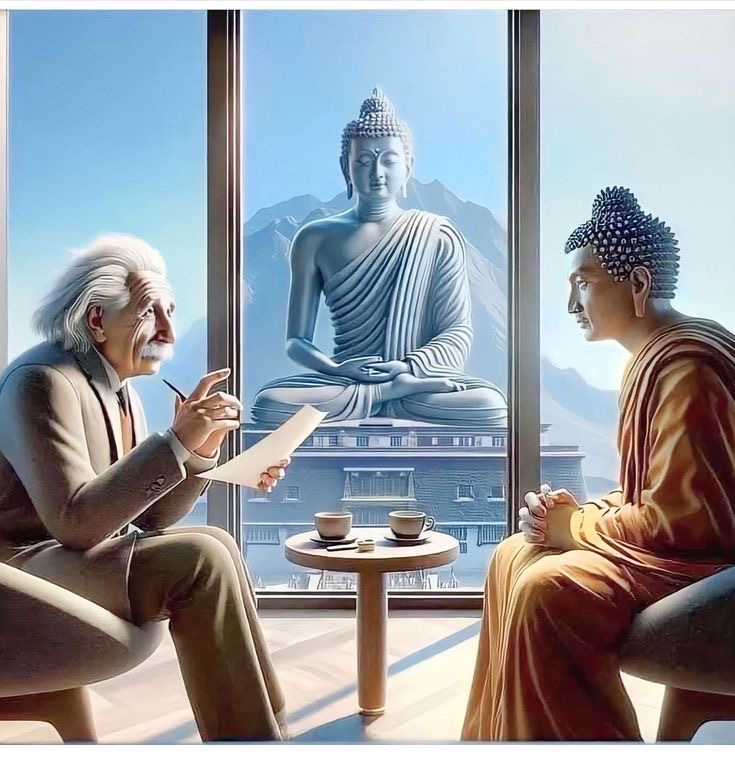
A functional society, as observed by Peter Kropotkin and other researchers of evolution, is formed by small groups, similar to tribal families. If we could unite the ancient knowledge of these peoples — much of which has been lost or is at risk of disappearing — with today’s scientific and technological understanding, focused on respect for the environment, I am sure it would bring a major evolutionary shift for humanity.
Thinking of Future Generations
All of this must be done while giving real consideration to the generations to come — the young people who will have to endure the consequences of all our mistakes and carelessness. As the 14th Dalai Lama has often said, it is hard to find a politician or governor who is not attached to materialistic thinking, because they are all products of the education given in our society. But by changing our educational approach, better future political leaders could emerge.
Why We Ignore the Environment
Nobody takes environmental and climate issues seriously because of the strong materialistic imprint and short-term vision we absorb from a young age. And the ones who will suffer the most will be the young people of the future.

The Potential of the New Generations
The new generations actually have more potential and sensitivity than we imagine. But in a society with little understanding of mental hygiene, it becomes difficult to notice certain details, because everything is interpreted through a materialistic perspective.
Rediscovering Ancient Knowledge
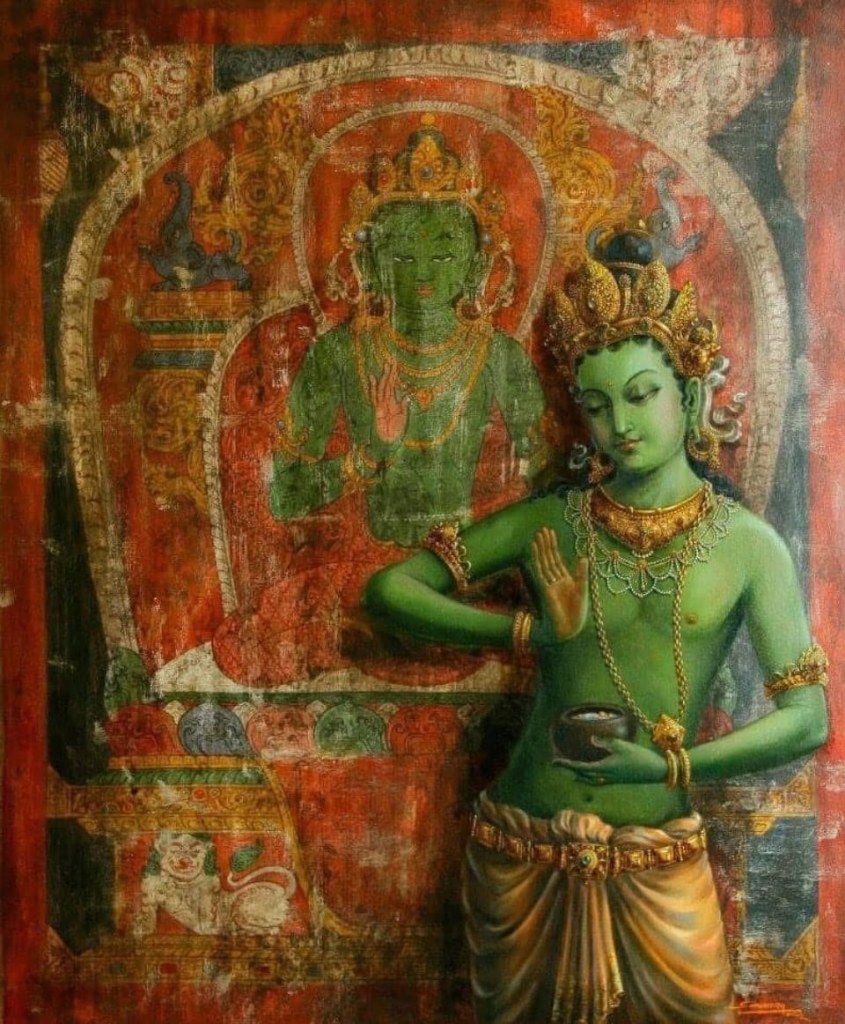
Buddhism — in particular the Nalanda tradition, but also ancient Indian traditions in general — offers deep knowledge of the mind. This knowledge could inspire a path toward social awareness and interest in maintaining mental hygiene, as well as in rediscovering human values that are now considered “religious,” even though they are perfectly beneficial from a secular perspective. It could also support ancient and tribal cultures, which are being crushed by materialism but still have much to offer to modern society.

I would strongly encourage supporting Native peoples in protecting and preserving their ancient cultures. Western society carries a big debt in this, due to the damage inflicted and the invasion of their lands and communities. So it would be good to provide help, support, and give them voice.
The idea of separating territories is an old materialistic and patriarchal mentality. The world is already globally connected through the internet, and we should shift toward a single, unified world society.
A Simple Hope
To clarify, a global sense of unity does not contradict the idea that small communities function best. In fact, both can coexist. Learning from Native and ancient cultures shows that humans thrive in small, interconnected groups, and this can remain true even within a globally connected society. A world that is united in purpose and respect does not need to erase diversity or local community structures. Instead, it can support them.
We could benefit greatly by combining small-scale, community-based living with a global consciousness — one that values environmental discretion, respects the natural world, and integrates modern technology in a responsible way.
“If you think you are too small to make a difference, try sleeping with a mosquito.”
14th Dalai Lama
My hope is that we take more into consideration those who will come after us, and reduce this craving that makes us consume everything. And if we think we cannot make a difference, as His Holiness the 14th Dalai Lama says: try lying down with a mosquito and see if you notice the difference.
Conclusion
A short-sighted, materialistic society is mathematically unsustainable.
What happens far away still reaches us — as the pandemic showed.
For our own benefit, we need a system with long-term vision, shared wellbeing, human values, and real sustainability.
Dharamsala, 11 November 2025
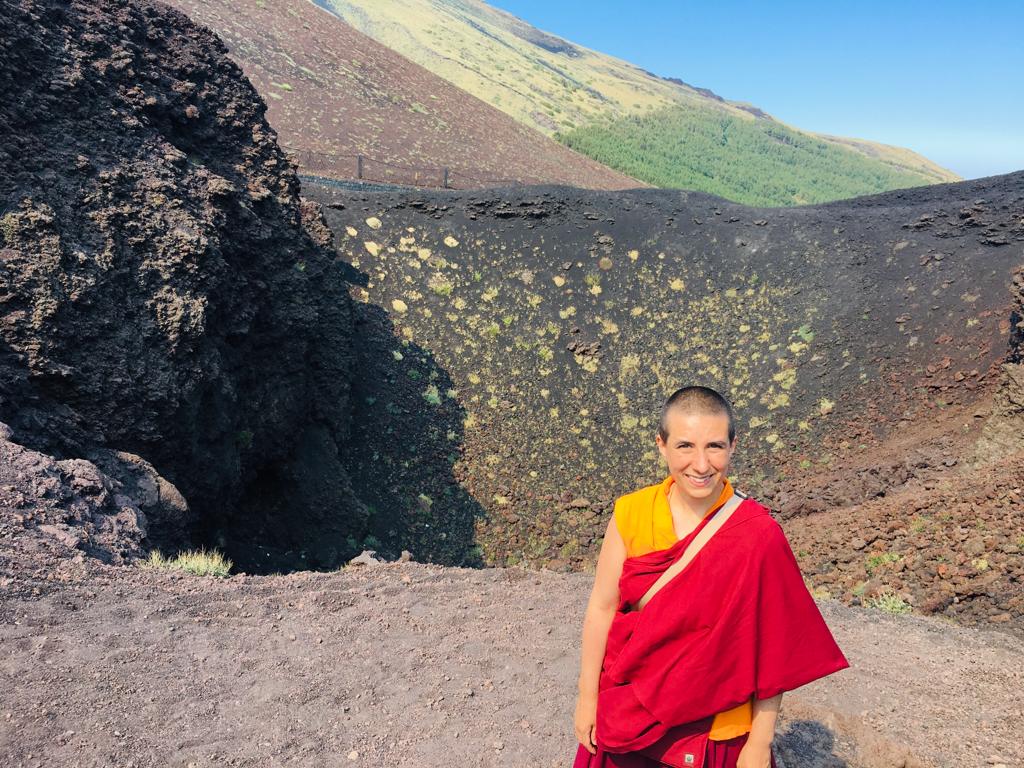
Ven. Lobsang Kunsang
 Manjushri spoke to the Elves