We are like guests on this planet,
our life is short like a lightening in the sky ...
... this is a reason why we should take care of it
especially for the next generations
and even if we won't consider us like a guest,
who will be so wise to destroy ones own home ?

- Lobsang Kunsang
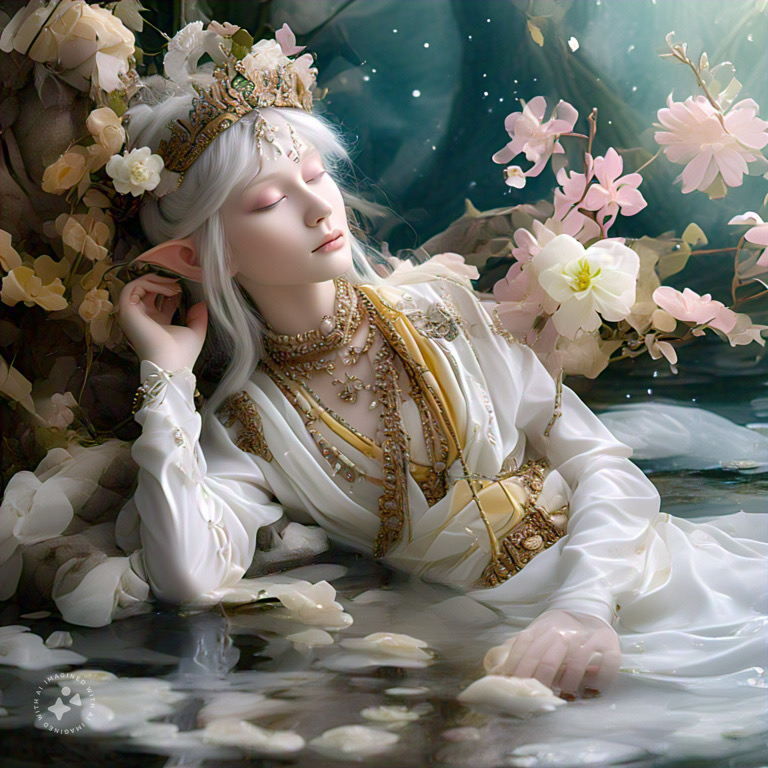
“Thanks to impermanence, everything is possible.”
Thich Nhat Hanh
It’s curious how each of us, deep down, desires nothing more than to be happy and to never experience even the slightest suffering. It doesn’t matter in which shapes this wish comes, the essence is the same for everyone. And not just any happiness—we long, often unconsciously, for a stable, everlasting joy, one that never fades.
Yet, in reality, it is quite the opposite. All the type happinesses we experience are fleeting. It doesn’t last long. And no matter how much we try to live fully each day, our life is brief, like a flash of lightning. Even though we may try not to think about the nature of death, it is there, always accompanying us. We may try to run from it, but still, it stays close beside us.
When we reflect on this—how all our happiness is unstable and transient, and how often we end up experiencing the very opposite of what we wish for—this instability itself can become the gateway, the strength point . The moment we accept it, it opens the door to truly living life and appreciating what surrounds us. It bring us to understand self respect, and when we get a sense of our self respect, automatically we can get more deep sense of respect on others
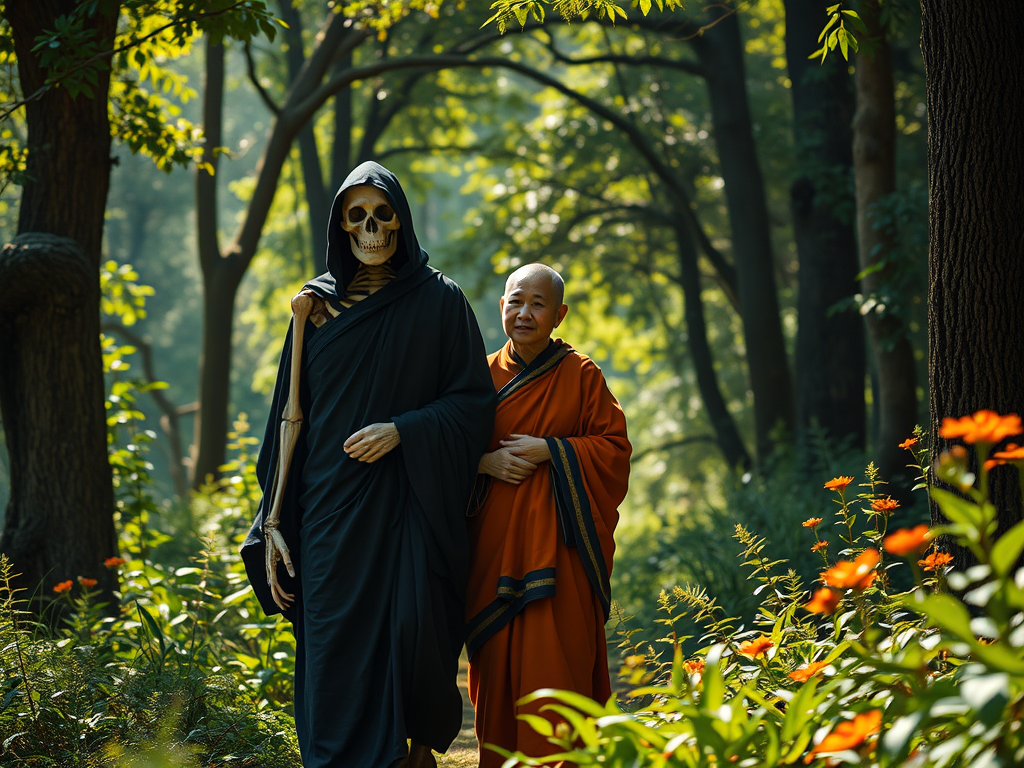
In the same way, this death—this reality of death—is actually a friend. When we recognize it as such, we come closer to finding ourselves and the true nature of our own mind. That’s why we say: death is our closest friend, wearing our face. We can’t see our face, we think we can see our face trough a mirror , but that it is not our real face . When we start to watch the reality of dead, we start to finally see our face.
And if we think about this more deeply, we realize that all beings on this planet live in the same condition. No matter how they imagine happiness or what makes them feel special, everyone longs for it with the same intensity. This shows us that there may be a fundamental, innate misunderstanding in how we perceive reality itself.
That’s why it becomes truly important to begin searching—to understand our own nature, and in doing so, the nature of others. Deep down, we already know that we are the key to ourselves, and the key to others. But out of force of habit, we don’t want to admit it.
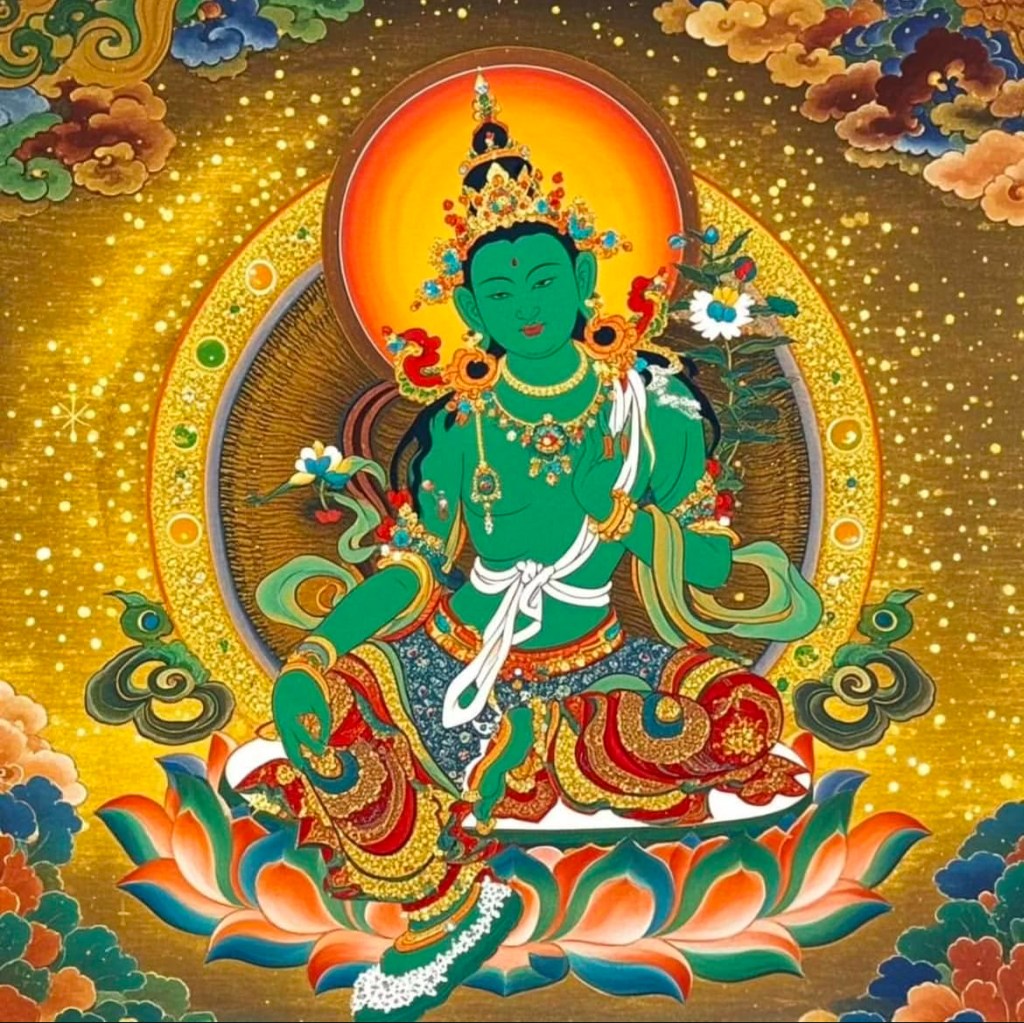
So this is why the very nature of what walks beside us every day—death, change, impermanence—becomes the opening door. It can urge us to turn our face away from the habit of negligence, from the illusion of security in doing nothing, in postponing awareness. We build this false sense of stability in our daily lives, believing we can escape suffering. But this illusion is based on unstable reality.
Everything on this planet is impermanent. And just like us, every living being wishes to be deeply happy and free from even the slightest pain. Yet, because of an innate misunderstanding of reality, each of us—shaped by different experiences and conditions—acts under the influence of a confused mind.
It is time to awaken a sense of responsibility. We must stop placing the blame for our problems onto others. It is time to grow, to evolve, and to work for the benefit of this planet.
Centuries of mistakes—made by others and inherited by us—do not mean we must continue down the same path. The human mind has the potential to learn, to understand deeply, and to change. Unlike other beings, we have the capacity to reflect, to develop creativity , to open ourselves to something greater.
This is our true potential as human beings. We must use it wisely—because, just as we long for happiness, so do those around us, even those who harm us. They, too, are driven by the same yearning.
If we don’t know how to make ourselves happy, how can we expect others to make us happy?
If we continue waiting for others to take the first step, we will see that time is not on our side. This world is being consumed by our collective ignorance and greed. But if we restart—if we truly begin again—then change becomes possible.
Until today, from many centuries most of us live as tyrants—of war, of violence, of consumerism. We consume the Earth and each other. We suffer, and we cause suffering. But we are all influenced by what has happened for centuries. We are all tired of this, and nowadays more than ever in any corner of this planet we are all interconnected through socials, internet, through technology.
Now is the best time to begin anew. To act. To think. To remember the friend who walks with us every day, wearing our own face, death . When we recognize this, new ways becomes possible.
What is more scaring than death if not that sense of things never changing ?
The real nightmare is that sense of permanence we get in our thoughts unconsciously
We spend an enormous amount of money to buy weapons—guns, bombs, and instruments of war—designed explicitly to kill and destroy. Our global societies allocate huge budgets to fuel conflict, to prepare for war, to take lives, while the reality remains that each of us will face death on our own, inevitably—without needing to be killed, isn’t the most idiotic way to waste resources and lives ?
The same potential we use to destroy could instead be used to create. Because destruction is not something outside of us—it is a creation of the mind. And just as the mind can imagine destruction, it also holds the power to imagine creation and benefit.
The root of every ideology—even the darkest ones—is the same: the wish to be happy, and not to experience even the smallest suffering. The urge to eliminate, to divide, to conquer—it all comes from this basic longing to fulfill a sense of inner lack, to be whole, to be happy.
But the desire to be happy is not wrong in itself. What is misguided is the method we keep adopting to achieve it. If this method—of violence, division, suppression—had truly worked, then after centuries of repeating it, we would have found lasting peace by now.
Yet we haven’t. Wars continue. Discrimination persists. The environment suffers. Future generations inherit a broken world.
This is a sign that our way of seeking happiness does not work. It neither benefits ourselves nor those around us. It does not serve the future. It is not intelligent—not in relation to the immense potential that we, as human beings, possess.
So how can we keep believing in an idea of happiness that has brought so much pain? Isn’t it time to imagine a new way?
We are all tired of this, in an era where technology and external development is so advanced and everyone want live a wealthy peaceful life, I believe most of us are tired of those ideologies
Even the prevailing mentality within the global economy is, in many ways, deeply ignorant and shortsighted. I am not condemning economics itself—far from it—but the ideology behind it often lacks a long-term vision. If the foundational mindset were replaced with one aligned not only with personal gain but also with the genuine needs of individuals and the natural rhythms of this planet, then everything we use could become a renewable, inexhaustible resource. This shift would bring wealth not only to ourselves, but also to others. Such a vision could create a truly sustainable abundance.
But with the current ideology—based solely on individual profit, driven by endless consumption and disregard for the Earth’s limits—we are not only exhausting the planet, we are ensuring that the very wealth we chase will eventually disappear. The Earth will no longer give. People will no longer thrive. We will destroy ourselves from within.
Even those who are obsessed with financial gain, who fear embracing new values because they cling to outdated models of profit, are acting not out of true intelligence, but from a place of fear and narrow-mindedness. Genuine intelligence requires courage, vision, and the willingness to evolve. This is why it is so important to begin introducing a better way of educating future generations—one that focuses more on developing human values, self-respect, respect for others, and methods that genuinely stimulate intelligence, such as a logical approach to learning.
“Why do I not also consider another’s body as myself in the same way, since the otherness of my own body is not difficult to determine?”
Chapter 8 of Shantideva’s Bodhicaryāvatāra
Our individual body, which we consider as ‘self,’ is actually composed of countless living organisms, each with its own consciousness and perception. Yet, we perceive this collection as a unified whole—our body. If we can adopt this perspective internally, recognizing the interconnectedness within ourselves, why can’t we extend this understanding externally?
Since this life is impermanent, isn’t this body with all those organisms inside that help it to survive, like a home for us? Similarly by viewing all beings as integral parts of a greater whole, we can begin to see the planet as our shared home. Our happiness is deeply interconnected to the happiness of others, as everything we possess—clothing, food, shelter—results from the collective efforts of many individuals. Recognizing this interconnectedness fosters a sense of unity and shared responsibility, encouraging us to treat others with the same care and respect we afford ourselves.
 Manjushri spoke to the Elves